 VapeWholesaleHub
Atomizers Nicotine Strength Selection for Mixed Cabinets — Landed Cost Worked Through
Atomizers has moved from a niche listing to a category that most vape retailers simply have to carry. That popularity brought a flood of near identical offers. This guide explains how to separate a repeatable supply chain from a lucky sample.
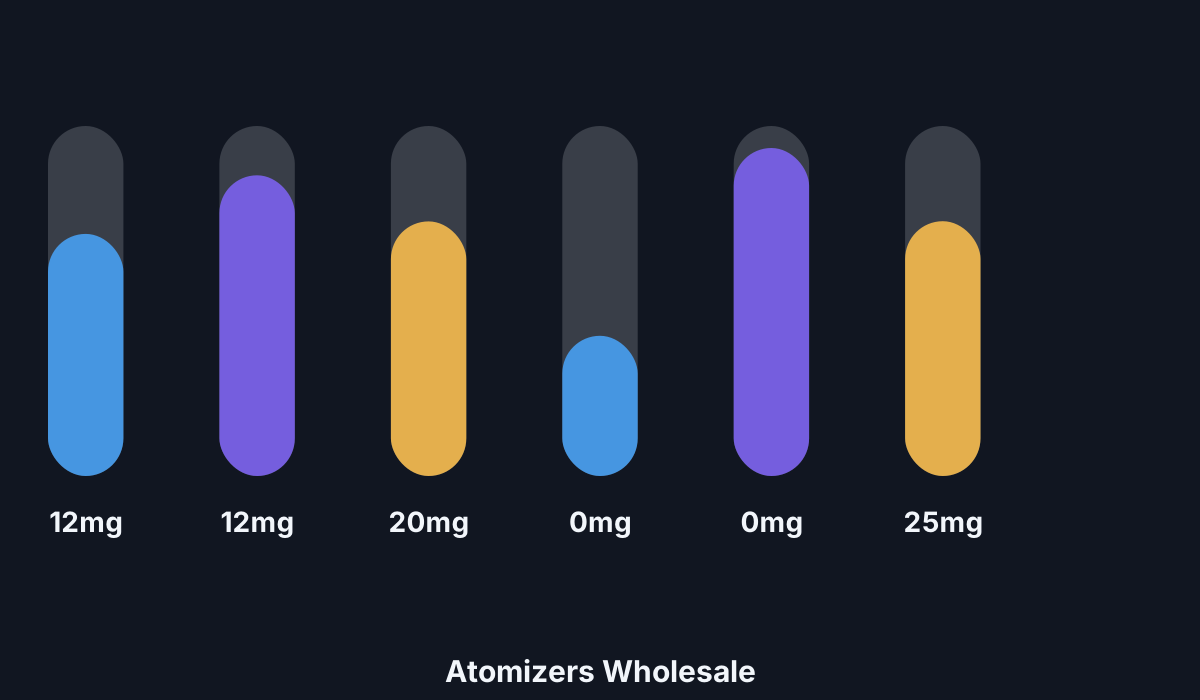
Market Signals
The most durable atomizers lines over the last few years have been unglamorous and consistent. Novelty sells once; reliability sells every month.
Modelling a Healthy Margin
When you model atomizers pricing, build in a realistic shrink figure. Even a well run line loses a small percentage to damage, expiry and sampling. Pretending that number is zero is how a healthy looking margin turns negative.
Tiered pricing works best when the tiers match real customer behaviour. Most atomizers buyers will take the second tier if the step is modest and the third tier only if they can see a genuine reason to hold more stock.
Indicative reference points for planning purposes: entry tier from USD 1.11 per unit at 500 units, mid tier at USD 0.77, and volume tier at USD 0.72 for full container quantities. These figures move with specification, packaging and freight, so treat them as a shape rather than a quote.
How Atomizers Fits the Assortment
Think about where atomizers sits in your customer's week. If it is a weekly restock, breadth matters less than availability. If it is an occasional treat, flavour range and display story carry more weight.
The Specification That Matters
Specification sheets are where a atomizers deal is won or quietly lost. Two samples can look and taste the same while using different coil wire, different wicking density and different tolerances on the mouthpiece. Those details decide how the unit behaves in week three rather than minute three.
Two specifications that matter more than buyers expect: the seal integrity after a drop test and the consistency of the draw from first use to last. Both are measurable before you commit to volume.
| Product category | Closed pod |
|---|---|
| Resistance band | 1.2 - 1.4 ohm |
| Capacity tolerance | +/- 5% |
| Puff count method | Declared by capacity |
| Master carton | 300 units |
| Carton weight | 10.9 kg |
| Shelf life | 18 months |
| Storage | 15-25 C, dry, away from direct light |
How Atomizers Batches Are Checked
The cheapest quality control step is a retained sample. Keeping three sealed units from every atomizers batch costs almost nothing and turns any dispute into a simple comparison instead of an argument over photographs.
Keep a photo record of every atomizers approval sample. Written descriptions age badly; a dated photograph next to a delivered unit settles most arguments in seconds.
- Plan the switch from air to sea freight before you need it.
- Keep sealed retained samples from every production batch.
- Write the complaint threshold into the order terms.
- Rotate stock by batch code rather than by delivery date.
- Start with a mixed carton and let your own sell-through decide.
Practical Checklist
- Check carton dimensions against your freight quote before confirming.
- Keep sealed retained samples from every production batch.
- Start with a mixed carton and let your own sell-through decide.
- Agree the tolerance band in writing before approving artwork.
- Ask how the factory measures puff count, then compare like with like.
- Write the complaint threshold into the order terms.
Frequently Asked Questions
What does a sample pack usually include?
A typical atomizers sample pack covers the strengths or variants you are most likely to list, packed so you can evaluate them side by side. Tell us which lines you are considering and we will match the pack to that rather than sending a generic selection.
Can the packaging be customised?
Yes. Most atomizers programmes use private label packaging once volumes justify the printing plate. We supply dielines, check your artwork for print issues and hold approved files so reorders need no new setup.
What if a batch does not match the sample?
Keep the retained samples from the approval stage. If a delivered batch measurably differs, we compare against the retained set and resolve it against the production record. This is why we insist on sealed retained units from every run.
Can I mix strengths in one order?
In most cases yes, as long as each strength meets the minimum run length. Mixed strength cartons are popular with retailers building their first display because they show the full ladder without over committing.
Is there support for in-store material?
Yes. Shelf talkers, counter cards and simple planogram suggestions are available for atomizers ranges that reach a sensible volume. Most retailers find the plain strength and flavour cards do the most work.
Next Step
If you are comparing options right now, send us the specification you have been quoted elsewhere. A side by side reading usually shows where the price difference actually comes from, and that is the most useful first conversation to have.
Related Reading
- Atomizers Regulatory Change Monitoring — Busy Buyers
- Atomizers Packaging Waste and Recycling Options — Wholesale Clubs
- Atomizers Mouthpiece Geometry and Comfort — Repeat Orders
- Atomizers First Order Playbook for New Importers — Established Chains
- Atomizers Flavour Development: From Brief to Production — Mixed Cabinets
- Atomizers Market Entry Checklist for New Territories — 2026 Edition