 VapeWholesaleHub
How to Brief a Factory on Atomizers — Regional Distributors
We ship atomizers to distributors in very different markets, and the same five questions come up almost every week. Rather than answer them in email each time, we have written them out properly here.
What to Fix Before Approving Atomizers
A written atomizers specification should be short enough to read in a minute and precise enough to argue about. If a factory cannot confirm a number in writing, assume the number is whatever is cheapest that week.
| Product category | Open system |
|---|---|
| Resistance band | 0.8 - 1.0 ohm |
| Capacity tolerance | +/- 2% |
| Puff count method | Declared by capacity |
| Master carton | 120 units |
| Carton weight | 3.8 kg |
| Shelf life | 12 months |
| Storage | 15-25 C, dry, away from direct light |
Logistics That Protect Margin
Air freight makes sense for a first atomizers order when you need to test demand quickly, but almost every steady programme moves to sea freight once volumes stabilise. Planning that switch early avoids a painful margin squeeze later.
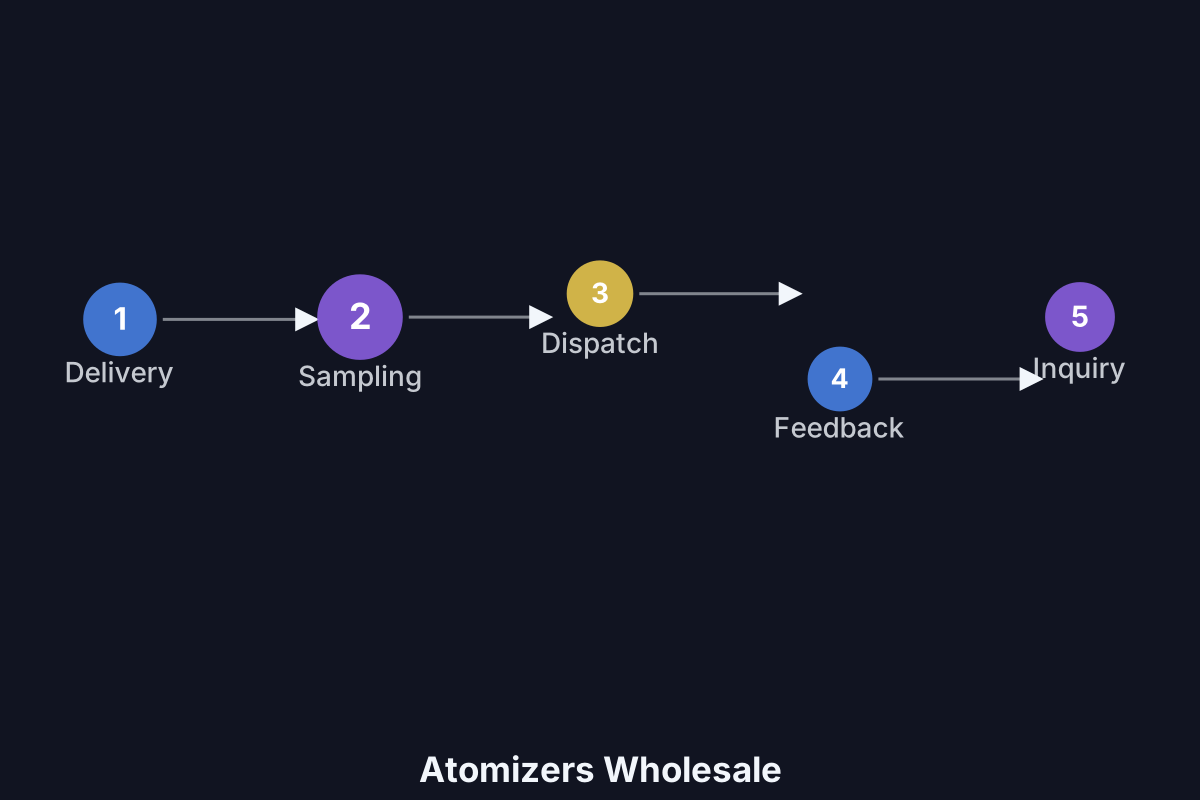
How Atomizers Fits the Assortment
Atomizers sits at an interesting point in the assortment. It is familiar enough to be an impulse purchase and specific enough to build a repeat pattern around. Treating it as either pure commodity or pure specialty both lead to poor results.
Where Demand Is Heading
The most durable atomizers lines over the last few years have been unglamorous and consistent. Novelty sells once; reliability sells every month.
What Atomizers Really Costs Landed
Discounting atomizers to win shelf space tends to reset customer expectations permanently. Volume support in kind, such as display material, usually costs less in the long run.
Indicative reference points for planning purposes: entry tier from USD 1.11 per unit at 500 units, mid tier at USD 1.64, and volume tier at USD 0.92 for full container quantities. These figures move with specification, packaging and freight, so treat them as a shape rather than a quote.
Practical Checklist
- Keep sealed retained samples from every production batch.
- Check carton dimensions against your freight quote before confirming.
- Start with a mixed carton and let your own sell-through decide.
- Write the complaint threshold into the order terms.
- Plan the switch from air to sea freight before you need it.
- Ask how the factory measures puff count, then compare like with like.
Frequently Asked Questions
What information do you need to quote?
Target specification, approximate quantity, destination and any packaging requirement. With those four we can usually come back with a costed option the same working day rather than a request for more information.
Can I mix strengths in one order?
In most cases yes, as long as each strength meets the minimum run length. Mixed strength cartons are popular with retailers building their first display because they show the full ladder without over committing.
What happens if my market changes its rules?
Regulations move, and packaging or documentation sometimes has to follow. We keep approved artwork files on hand so that a required change is a reprint rather than a redesign, which keeps the cost and delay down.
How are price changes handled on repeat orders?
{K} pricing is reviewed against input costs and volume rather than adjusted casually. Any change is confirmed in writing before the next order is scheduled, with the reason stated so you can judge it yourself.
Next Step
Whether you order from us or elsewhere, keep a retained sample from every batch. It costs almost nothing and it is the single most effective protection available to a atomizers buyer.
Related Reading
- Atomizers Tamper Evidence and Seal Integrity — Busy Buyers
- What a Atomizers Production Slot Really Means — Mixed Cabinets
- Atomizers Promotional Mechanics That Do Not Erode Value — Three Price Tiers
- Seasonal Planning for Atomizers Inventory — Oceania
- Atomizers Factory Visit Preparation Checklist — Wholesale Clubs
- Atomizers Colour Matching Across Production Runs — Low Minimum Quantities